
Blog
Cocoa Powder: Production, Types and Industrial Uses

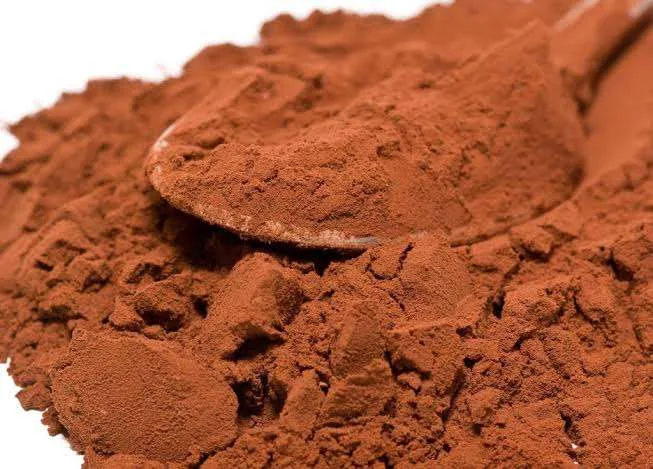
Cocoa powder is one of the most versatile ingredients in bakery, confectionery, beverages and dairy products. Yet two powders that look similar can behave very differently in a recipe. Colour, flavour, fat content, acidity, particle size and dispersibility all influence the finished product. Understanding how cocoa powder is made helps manufacturers choose a grade that performs consistently on the production line and delivers the intended consumer experience.
How cocoa powder is produced
Production begins with fermented and dried cocoa beans. The beans are inspected and cleaned before being roasted. Roasting develops the familiar chocolate aroma and flavour while reducing moisture. The beans are then broken and winnowed to remove the shells, leaving the cocoa nibs.
The nibs are ground into cocoa liquor, also called cocoa mass. Despite the name, it contains no alcohol. Cocoa liquor naturally contains both cocoa solids and cocoa butter. During pressing, part of the cocoa butter is removed, leaving a solid cocoa cake. This cake is broken, milled and classified to produce a fine, uniform powder.
Process control at every stage matters. The origin and blend of the beans shape the base flavour; roasting changes aromatic notes; pressing determines residual fat; and grinding affects texture, dispersion and the visual appearance of the final product.
Natural and alkalised cocoa powder
Natural cocoa powder retains more of cocoa’s original acidity and often has a lighter brown colour with sharper, fruitier notes. Alkalised cocoa, also known as Dutch-processed cocoa, is treated under controlled conditions with an alkaline solution. This modifies pH, softens acidity and can create colours ranging from warm brown to deep red-brown or nearly black.
The choice is functional as well as sensory. Natural cocoa can react with baking soda in chemically leavened products. Alkalised cocoa generally offers a smoother flavour and darker appearance, but its changed acidity may require a different leavening system. In beverages and instant mixes, wettability and dispersibility can be just as important as colour.
Fat level and other key specifications
Cocoa powders are commonly grouped by residual cocoa butter content. Lower-fat grades can be economical and suitable for many dry mixes, biscuits and cakes. Higher-fat grades usually provide a fuller mouthfeel, richer flavour release and a darker, more rounded appearance. The best choice depends on the total recipe, not on fat percentage alone.
Manufacturers should also review:
- Colour: measured under controlled conditions and evaluated in the actual application.
- pH: affects flavour balance, leavening and interaction with other ingredients.
- Particle size: influences smoothness, dusting and dispersion.
- Microbiological quality: must match the process and product risk profile.
- Bulk density and flow: important for dosing, mixing and packaging.
- Consistency between batches: essential for colour and flavour standardisation.
Where cocoa powder is used
In cakes, biscuits and wafers, cocoa provides colour and flavour while interacting with flour, sugar, fat and leavening agents. In creams and fillings, it contributes flavour, colour and solids, but the formulation must still control viscosity and oil migration. In beverages, the powder must disperse well and remain acceptably suspended. In ice cream and dairy desserts, its bitterness, acidity and fat level must be balanced against milk solids and sweetness.
Cocoa powder is also used in coatings, breakfast cereals, dessert premixes, protein products and selected savoury applications. The same grade will not necessarily deliver the best result in all of them.
How to select the right cocoa
Start with the target product: desired colour, flavour profile, declared ingredients, process temperature, equipment and cost. Then test shortlisted grades in the complete formula and under real processing conditions. A bench-top comparison is useful, but production trials reveal effects on mixing time, dough or batter behaviour, depositing, baking and shelf stability.
For manufacturers developing cocoa-based products, Bee Master can help compare ingredient options and identify specifications suited to the intended application. Choosing by performance, rather than colour alone, is the most reliable path to a consistent product.
